
Nobody starts a business hoping it becomes difficult to understand.
No one launches a company thinking:
- “I hope my numbers confuse me.”
- “I hope tax season fills me with anxiety.”
- “I hope I never quite know where the money went.”
Messy businesses don’t begin with poor intentions.
They begin with momentum.
And momentum—left unmanaged—creates complexity long before it creates clarity.
This is the part of business growth no one talks about honestly.
Mess Is Not a Failure; It’s a Phase
Almost every successful business passes through a messy phase.
In the early days, simplicity hides problems:
- Few transactions
- One bank account
- Minimal reporting
- Informal processes that “work”
At this stage, intuition fills the gaps.
Owners feel how the business is doing.
But growth changes the rules.
Revenue increases.
Expenses multiply.
More people touch the books.
Decisions start carrying real consequences.
And suddenly, what once felt manageable becomes fragile.
How Mess Actually Happens (Quietly and Gradually)
Mess doesn’t arrive with alarms.
It creeps in through reasonable decisions:
- “We’ll reconcile that later.”
- “This is just temporary.”
- “We’ll clean it up at year-end.”
- “Our accountant can figure it out.”
Each decision feels rational in isolation.
Together, they create systems that no longer scale.
Over time:
- Workarounds become workflows
- Exceptions become standard practice
- Catch-up becomes impossible without disruption
Nothing breaks all at once.
Things just become harder to explain.
That’s the first warning sign.
The Most Dangerous Sentence in Business: “It’s Close Enough”
Eventually, messy businesses stop asking:
“What do the numbers actually mean?”
And start asking:
“Are they close enough?”
This is not laziness.
It’s cognitive overload.
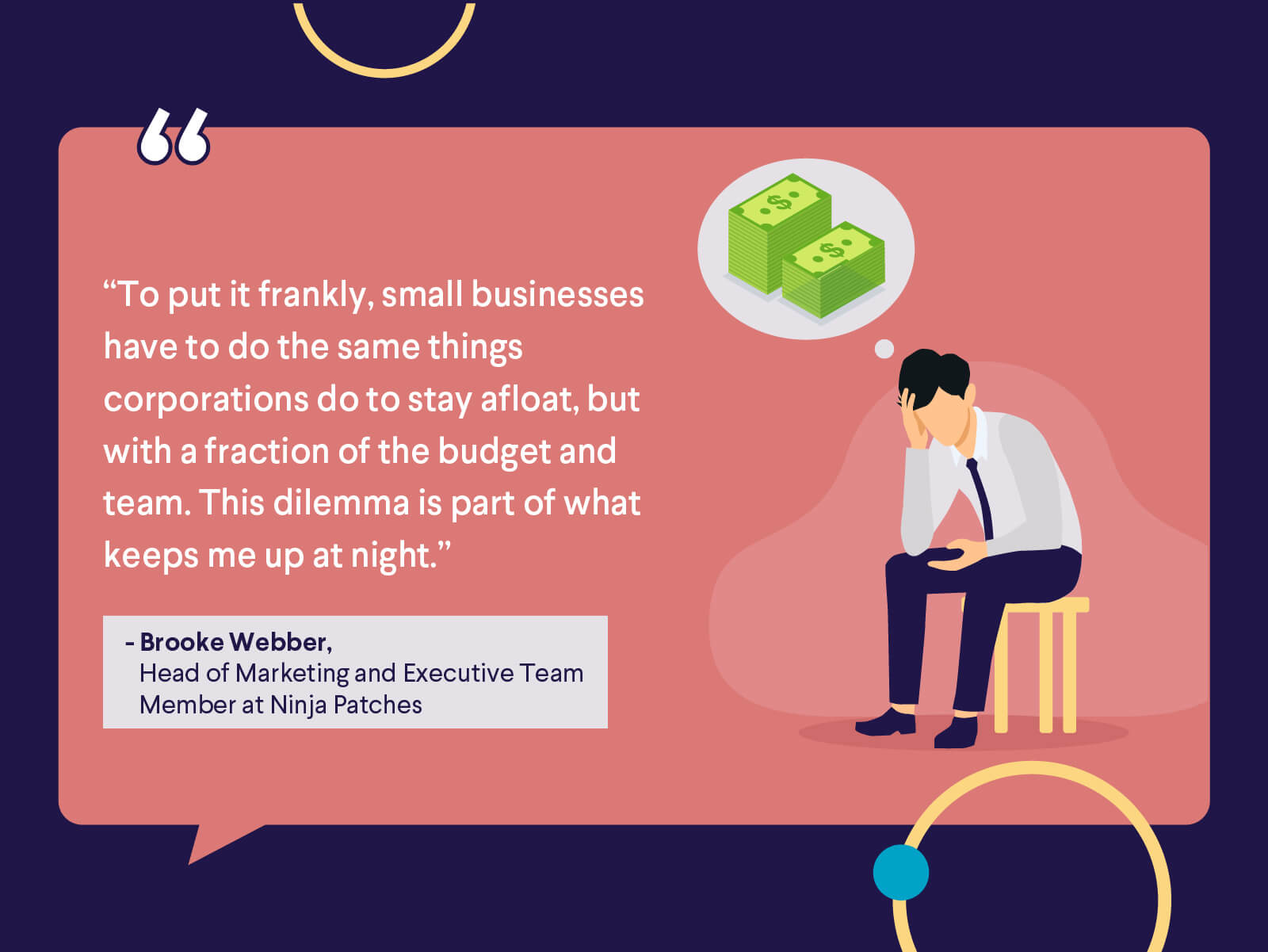
When reports are late, inconsistent, or unclear, owners adapt by lowering expectations.
But “close enough” is where risk hides:
- Financing decisions get delayed
- Tax exposure quietly increases
- Growth opportunities get missed
- Stress becomes background noise
The business keeps operating—but confidence erodes.
Mess Is Not About Intelligence or Effort
Some of the messiest businesses are run by:
- Highly educated professionals
- Brilliant operators
- Exceptionally hard-working founders
Mess is rarely about competence.
It’s usually about systems that didn’t evolve as fast as the business did.
Businesses outgrow:
- DIY bookkeeping
- One-size-fits-all accounting
- Reactive tax filing
- Fragmented advisors
The owner grows.
The revenue grows.
But the financial infrastructure stays stuck in an earlier version of the business.
Why Mess Becomes Expensive (Before It Becomes Obvious)
Mess doesn’t always trigger a crisis.
More often, it shows up subtly:
- Decisions take longer
- Confidence drops
- Cash feels tighter than it should
- Planning conversations feel speculative
- Owners rely on gut instead of data
Over time, that uncertainty becomes familiar.
And familiarity makes it dangerous.
Because the cost of mess is rarely visible on the income statement—but it shows up everywhere else.
Banks, Buyers, and the CRA See What Owners Don’t
Here’s the uncomfortable truth:
External parties don’t experience your business the way you do.
Banks don’t lend based on hustle.
Buyers don’t value potential.
The CRA doesn’t assess intent.
They look for:
- Consistency
- Documentation
- Defensible numbers
- Clear separation between business and personal activity
- Repeatable processes
A business that feels successful can still look fragile on paper.
And paper is what matters when the stakes rise.
Order Is Not About Perfection It’s About Understandability
Well-run businesses are not flawless.
They are legible.
Their numbers:
- Arrive on time
- Tie together logically
- Answer questions instead of creating new ones
- Support decisions instead of second-guessing them
Order is not rigidity.
It’s optionality.
Clarity gives owners freedom:
- to invest
- to hire
- to expand
- to slow down
- to exit on their terms
The Turning Point Every Business Faces
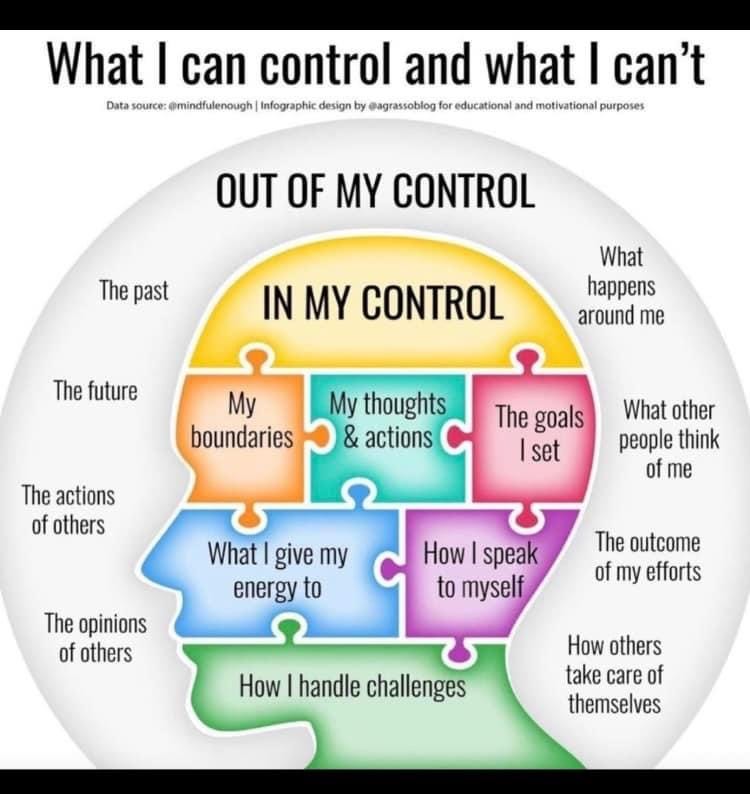
At some point, every growing business hits a moment where the core question changes.
From:
“Can we make this work?”
To:
“Can we trust this?”
That question marks the difference between:
- surviving and scaling
- reacting and planning
- guessing and deciding
It’s also the moment where professional financial infrastructure stops being optional.
What Clean Businesses Actually Do Differently
Clean businesses don’t rely on heroics.
They rely on systems.
They invest early in:
- Proper bookkeeping structures
- Monthly financial review
- Tax planning that looks forward, not backward
- Clear separation of roles and responsibilities
- Advisors who understand the business—not just the filings
They don’t wait for problems to force action.
They build quiet discipline into how the business runs.
Where MiAccounting Fits In
At MiAccounting, we don’t exist to “fix messes.”
We exist to engineer clarity.
That means helping businesses move from:
- reactive → intentional
- fragmented → integrated
- stressful → predictable
What That Looks Like in Practice
1. Structured Bookkeeping That Scales
We design bookkeeping systems that grow with the business—so reports remain meaningful as complexity increases.
2. Monthly Financial Reporting You Can Trust
Not just statements, but explanations.
Not just numbers, but context.
3. Proactive Tax Planning
We don’t just file returns—we plan around:
- cash flow
- compensation strategy
- corporate structure
- long-term goals
4. Advisory Support for Real Decisions
Hiring. Financing. Expansion. Exit planning.
We help owners understand the financial implications before decisions are locked in.
5. Credibility With Third Parties
Banks, buyers, lawyers, and the CRA expect professionalism.
We help ensure your financials stand up under scrutiny.
Mess Isn’t a Moral Failing; It’s a Signal
If your business feels messier than it used to, that’s not a failure.
It’s information.
It means:
- the business has grown
- the stakes are higher
- intuition alone is no longer enough
That’s not a bad place to be.
It’s a transition point.
The Quiet Truth
Nobody plans to run a messy business.
But businesses don’t clean themselves up either.
Clarity is a decision—
followed by structure—
reinforced by discipline.
The businesses that last aren’t the ones that hustle harder.
They’re the ones that make their numbers boring, predictable, and trustworthy.
If your business has outgrown its financial systems, you’re not behind, you’re early.
The right structure now creates freedom later.
That’s where we help.